Visiting Us?

Here are some great tips we advise to prepare yourself and your kitty cat for their visit with us.

  • Acclimate your pet to the carrier. Approach this by bringing the carrier into the home a couple of weeks prior or permanently, leaving the door open or the lid removed. Offer bedding, play, encouragement, and treats to create positive interactions and a good overall experience.
  • Use of synthetic feline pheromones like 'Feliway', in the household and carrier a day before or day of the veterinary visit should provide a calming effect.
  • Keep the carrier warm, covered by a towel or blanket, and quiet in the vehicle. Reduce stress from loud noises, bright lights, strange smells, and rapid changes in environment.
  • The bottom of the carrier should have a blanket or towel for cushioning, as well as a pee pad, absorbable material, or raised carrier grate to reduce the chance of soilage.
  • Whether your kitty is transported by a car or another mode of transport, it is important to keep driving steady and even, take shorter routes. The temperature inside the car should reflect the cat's needs. Strong smells should be avoided along with loud noises, i.e radios or music unless cat-specific.
  • One of our vets may recommend calmative or sedative medications for your cat to reduce stress. Our team will provide information regarding the use of medications prior to a visit.

"Cats are a predatory and prey species with unique resource and territory needs that are easily disrupted by events such as veterinary visits. Disruptions increase protective emotions in the cat, leading to negative behavioral outcomes during the visit."

"Stressor stacking describes the cumulative stress resulting from numerous disruptions to the cat’s routine and territory in preparation for the veterinary visit. These cumulative changes increase fear-anxiety and frustration, predisposing to negative behavioral outcomes during the veterinary visit. Adapted from International Cat Care." Kelly St. Denis, MSc, DVM, DABVP (Feline Practice), 'From the Cat’s Point of View: Creating a Cat-Friendly Veterinary Environment' Issue: March/April 2024. https://todaysveterinarypractice.com/behavior/creating-a-cat-friendly-veterinary-environment/

Once in the clinic, our customer service team will greet you and usher you to our 'cat parking stations' which are up from the ground. We have Feliway spray and blanket covers at your convenience. 

senior

Senior Cats

Exactly what kind of preventive care does my old cat need?

Read More
kitten

Kittens

How do I look after my new kitten?

Read More
dental

Dental

How do I care for my cats teeth?

Read More

A tranquil haven for cats and their carers staffed by experienced cat loving professionals.


Dietary History

Please fill this form in if you have made an appointment for your cat to see us. If you are bringing more than one cat please fill out and submit a form for each of them. Thank you.


    OverweightIdeal weightUnderweight


    IndoorsOutdoorsIndoors & Outdoors


    Very activeModerately activeSleeps all day

    reCaptcha v2 in use. See Terms of Service and Privacy Policy here.

    reCAPTCHA V3

    3 November 2016

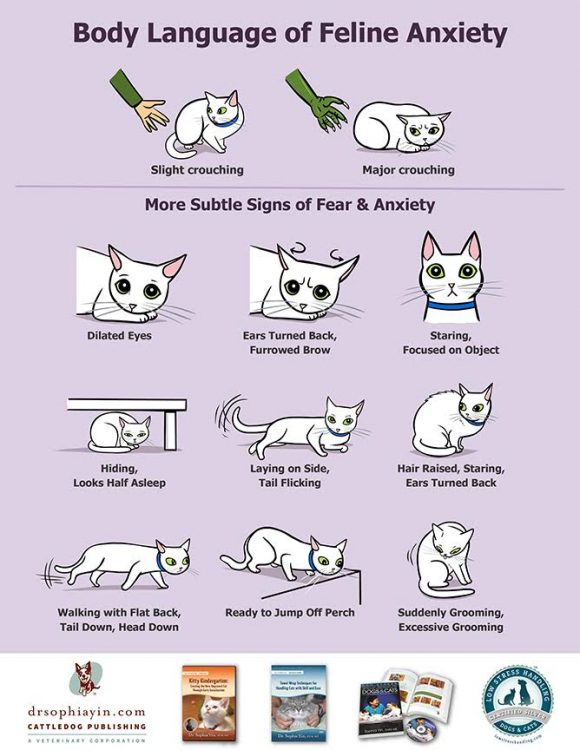
    Feline body language – fear and anxiety

    31 October 2016

    Successful Information night

    Over 150 people crowded in to hear our vets talk about the normal - and sometimes irritating - behaviour of our beloved feline friends last Thursday night. While we ate a sumptuous supper we discussed the issues we have fitting a solitary, independent animal into our lives. Much of the information from the night will appear on this blog over the next few weeks. Several people went home with lucky door prizes for their lucky cats. Our speakers were (L-R) Kate Arnott from Hill's, Dr Helen Purdam and Dr Georgia Knudsen
    17 October 2016

    Your invitation to an Indoor cat information night

    Cats kept indoors are safe from dogs, cars and snakes - and the wildlife is safe from them - but they are at risk of obesity, anxiety and boredom. Canberra Cat Vet's information night on Thursday 27th October at 6pm targets these problems. Supper is provided so let us know if you are coming on 6251 1444 or reception@canberracatvet.com.au so we have plenty for all! Location details on the invitation above. Many cat carers choose to keep their cats indoors and the newer suburbs in the ACT require owners to contain their cats. While this is a great idea from a human and wildlife perspective it is frustrating to many cats who see themselves as cooped up tigers. A confined cat will sometimes express its frustration and anxiety in behaviour that is not acceptable to humans. Frustrated or anxious cats toilet outside the litter box or become aggressive to other pets or even people in the household. Urinating on curtains, carpets, the laundry or clothes is a common feline response to confinement indoors. This behaviour escalates if not addressed early and many cats are rehomed or lose their lives because of an entirely normal feline response to an abnormal situation. More laid back indoor cats eat too much because they are bored with life. Obesity is an ever increasing problem in the feline population as it is in the human population. A sedentary lifestyle coupled with overeating rapidly lead to obesity in cats as young as 4 months. Intelligent cats - and whose cat is not intelligent?! - become bored with restriction if not adequately challenged. A rotation of toys and humans who play or spend time with them help alleviate their boredom. Mobile and fixed feeding puzzles help conquer both boredom and obesity.
    19 September 2016

    Birthday blast

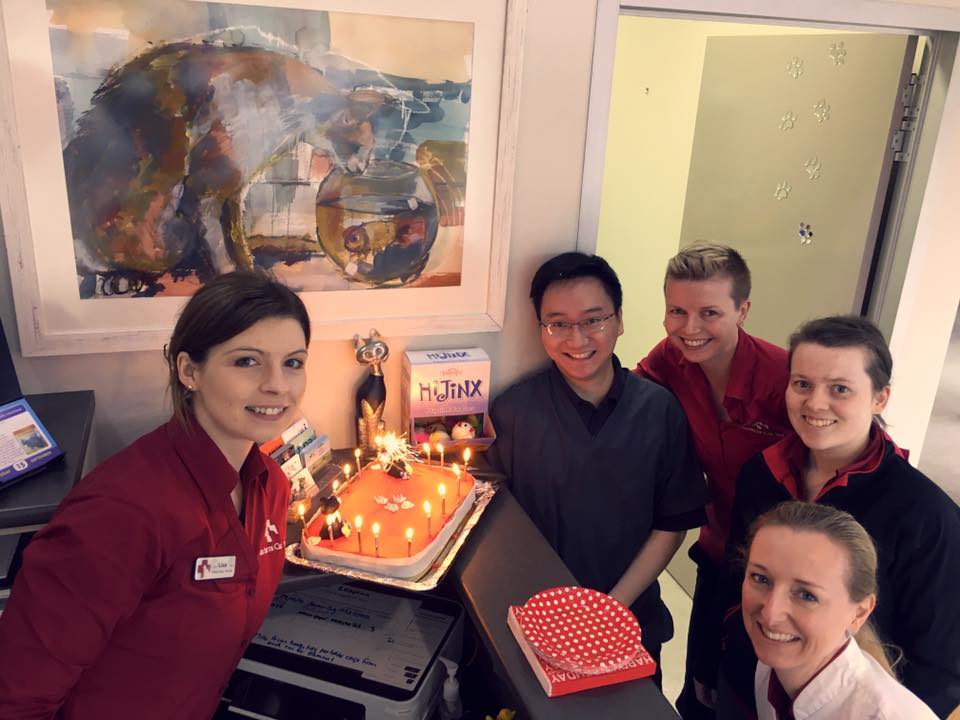
    Thank you to everyone who called in and helped us celebrate our 3rd birthday! Hope you enjoyed the cake and your cat is still playing with the gift! Canberra Cat Vet has grown since Dr Kate and Leanne waited for the first call on the the first day. We now have two vets rostered on every day and plenty of nurses and receptionists to provide you and your cat with the very best standard of care.
    9 September 2016

    Pet census

    Proplan, one of the big pet insurance companies, is running a nationwide pet census. It will be open until the 1st November. The premier pet insurance provider has commissioned this census to explore areas relating to the relationships Australians have with their pets. “We feel that pets are such valuable and important members of society that they should be counted.” “We are calling on all pet owners to complete the Pet Census 2016 survey so as to evaluate what it is like to be a pet owner in Australia today.” “Pet Census 2016 is steered towards adopting practices that promote positive pet welfare and generally encourage a successful and happy relationship between the owners and their companion animals. While Australians are already known to be a nation of animal lovers, Pet Census 2016 may demonstrate that pets play a big part in making us compassionate, happier, healthier and more sociable.” This short 10-minute census will go a long way in furthering research and development for pet welfare. Results of the Census will be sent to any pet owners who have requested results while submitting their census data.
    8 September 2016

    Birthday party!

    Cinta's rushing in to Canberra Cat Vet on Thursday 15th September to celebrate Canberra Cat Vet's 3rd birthday! You are invited to call in at any time on Thursday to join in the fun. There'll be cake and gifts for YOU (and your cat!)
    31 August 2016
    kitten ginger cat waving hello

    Introducing a new cat or kitten to your household

    Spring and summer are the peak times for bringing a new kitten or cat home. Kittens are generally better accepted by the existing cat or cats but some established cats don't like any newcomers on principle. Patience is key--the transition can take several weeks but planning ahead can reduce the stress, allow for an easier transition, and build a positive relationship between your feline companions. Isolate your new cat in a separate room with its own food, water, litter box, bedding and toys for the first few days. Bring familiar items from the adoption centre in order to make it smell comforting and "homey" for them. Keep the carrier open so the cat has a place to hide. Isolation allows both cats to get used to the scent and sounds of the other cat without risk of confrontation. Be sure to spend a lot of time with each cat or group of cats. Once all cats in the home seem relaxed, gradually move the food dishes closer to the door that separates them. If you notice any signs of stress, go back to the step where they were comfortable and work more slowly. You can also use a toy for them to play with under the door when they are calm and curious. If the cats are calm, take a cloth/blanket and wipe one cat and then put that cloth in the room with the other cats. Do the same for new and existing cats, so that they both can smell each other in their own areas. If this is comfortable to all cats, mix the scents on one cloth, wiping first one cat, then the other. Reward all calm behaviors with treats and praise in a soft voice. When the cats are comfortable with the above, try a brief interaction. Crack the door open an inch so that both cats can see but not touch each other. If one cat hisses or tries to attack, close the door and back up the process, and restart more gradually. Sometimes it can be helpful to distract the cats with food. An eye and hook latch or doorstops on each side of the door might help. When all is going well, place the new cat inside the carrier and allow the other cat(s) to see and smell the new cat more closely in a safe environment. Continue to reward calm behaviors with treats and praise in a soft voice. If the cats seem comfortable in this environment the next step is to try placing them in the same room with direct supervision. Start introductions for brief periods making it more likely that the experiences will be positive. Remember to be patient and go back a few steps if necessary and gradually re-introduce. Even when the cats are successfully introduced, remember that each cat needs their own resources ie food, water, bedding and litter boxes, preferably in different locations.
    30 August 2016

    Dr Georgia Knudsen starts at Canberra Cat Vet

    We are delighted to welcome Dr Georgia Knudsen to the Canberra Cat Vet team.Georgia has a special interest - and empathy - with cats. She shares her house with two kittens she raised as orphans and a rather aloof matron. Pics of them to come....
    24 August 2016

    Paracetamol poisons cats

    Paracetamol, packaged under the trade names of Panadol, Panadeine, Dymadon, Panamax, and many others, is highly toxic to cats. Never administer paracetamol or any other pain-killer to your cat without direct advice from your vet. Cats metabolise paracetamol differently to dogs and humans. The cat's liver breaks paracetamol down to a toxic chemical which damages the liver and reduces the ability of red blood cells to carry oxygen around the body. The signs of paracetamol toxicity in cats include brownish gums, difficult breathing and a fast heart rate. Many become very flat and develop swelling of the paws and face. Without treatment they vomit and pass dark brown urine, and their skin may change colour to yellow(jaundice). Cats dosed with paracetamol die if they are not taken to the vet and treated within an hour or so. Aspirin is equally dangerous but more subtle in its effects. Aspirin damages cats’ kidneys and irritates their stomachs. Very few pain medications are safe for cats. Only give medications prescribed by your vet for your particular puss.