Visiting Us?

Here are some great tips we advise to prepare yourself and your kitty cat for their visit with us.

  • Acclimate your pet to the carrier. Approach this by bringing the carrier into the home a couple of weeks prior or permanently, leaving the door open or the lid removed. Offer bedding, play, encouragement, and treats to create positive interactions and a good overall experience.
  • Use of synthetic feline pheromones like 'Feliway', in the household and carrier a day before or day of the veterinary visit should provide a calming effect.
  • Keep the carrier warm, covered by a towel or blanket, and quiet in the vehicle. Reduce stress from loud noises, bright lights, strange smells, and rapid changes in environment.
  • The bottom of the carrier should have a blanket or towel for cushioning, as well as a pee pad, absorbable material, or raised carrier grate to reduce the chance of soilage.
  • Whether your kitty is transported by a car or another mode of transport, it is important to keep driving steady and even, take shorter routes. The temperature inside the car should reflect the cat's needs. Strong smells should be avoided along with loud noises, i.e radios or music unless cat-specific.
  • One of our vets may recommend calmative or sedative medications for your cat to reduce stress. Our team will provide information regarding the use of medications prior to a visit.

"Cats are a predatory and prey species with unique resource and territory needs that are easily disrupted by events such as veterinary visits. Disruptions increase protective emotions in the cat, leading to negative behavioral outcomes during the visit."

"Stressor stacking describes the cumulative stress resulting from numerous disruptions to the cat’s routine and territory in preparation for the veterinary visit. These cumulative changes increase fear-anxiety and frustration, predisposing to negative behavioral outcomes during the veterinary visit. Adapted from International Cat Care." Kelly St. Denis, MSc, DVM, DABVP (Feline Practice), 'From the Cat’s Point of View: Creating a Cat-Friendly Veterinary Environment' Issue: March/April 2024. https://todaysveterinarypractice.com/behavior/creating-a-cat-friendly-veterinary-environment/

Once in the clinic, our customer service team will greet you and usher you to our 'cat parking stations' which are up from the ground. We have Feliway spray and blanket covers at your convenience. 
senior

Senior Cats

Exactly what kind of preventive care does my old cat need?

Read More
kitten

Kittens

How do I look after my new kitten?

Read More
dental

Dental

How do I care for my cats teeth?

Read More

A tranquil haven for cats and their carers staffed by experienced cat loving professionals.


Dietary History

Please fill this form in if you have made an appointment for your cat to see us. If you are bringing more than one cat please fill out and submit a form for each of them. Thank you.


    OverweightIdeal weightUnderweight


    IndoorsOutdoorsIndoors & Outdoors


    Very activeModerately activeSleeps all day

    reCaptcha v2 in use. See Terms of Service and Privacy Policy here.

    reCAPTCHA V3

    3 October 2018

    No Lilies please!

    3 October 2018

    Open day on Sunday 7th October

    Canberra Cat Vet is throwing open the doors at midday on Sunday 7th October. Come and see behind the scenes, and talk to the vets and vet nurses. People are welcome but cats should stay at home - most cats hate crowds. Please park in Purdue St, Belconnen, so that we have Canberra Cat Vet's car park for the barbecue and stalls. Heidi from Purr Luxury Cat Hotel is bringing some of her cat comforters, and Tom the Pet Man will have a sample cat enclosure set up in the car park. Munch on a sausage sandwich or buy some biscuits and cakes to share. Enter the lucky door prize and bring a gold coin for the raffles for some great catty gifts. Our team has been busy making bandanas, screen printing T-shirts and making beautiful cat-themed cards for you, too.
    26 September 2018

    Overactive thyroid

    6 September 2018

    Is your cat in pain?

    29 August 2018

    Dangers of a dry food only diet

    Feeding dry food only to your cat, especially your male cat, is dangerous. Feeding it ad lib is particularly harmful. Dry food is convenient and the premium diets are well-balanced with all nutrients - except water. The cat's urine becomes super-concentrated, predisposing male cats to blockage of the urethra. If the male cat is also overweight and not very active the risk of blockage increases. Cats on an ad lib dry food diet tend to become overweight. Dry food is like space food. A lot of calories are packed into a very small package. A tablespoon of dry food is equal to a can of wet food. Cats grazing on dry food all day and not moving around much are bound to pack on the kilos. All cats have a poor drive to drink. In the wild most of their fluids come from their food. They avoid water sources as that is where they are most vulnerable to predators. A cat on a dry food only diet drinks more than a cat on a wet diet, but not enough to remain properly hydrated.This puts pressure on the kidneys. When they are young they can compensate to a degree but as they age it may accelerate kidney failure.
    19 August 2018

    Trouble urinating?

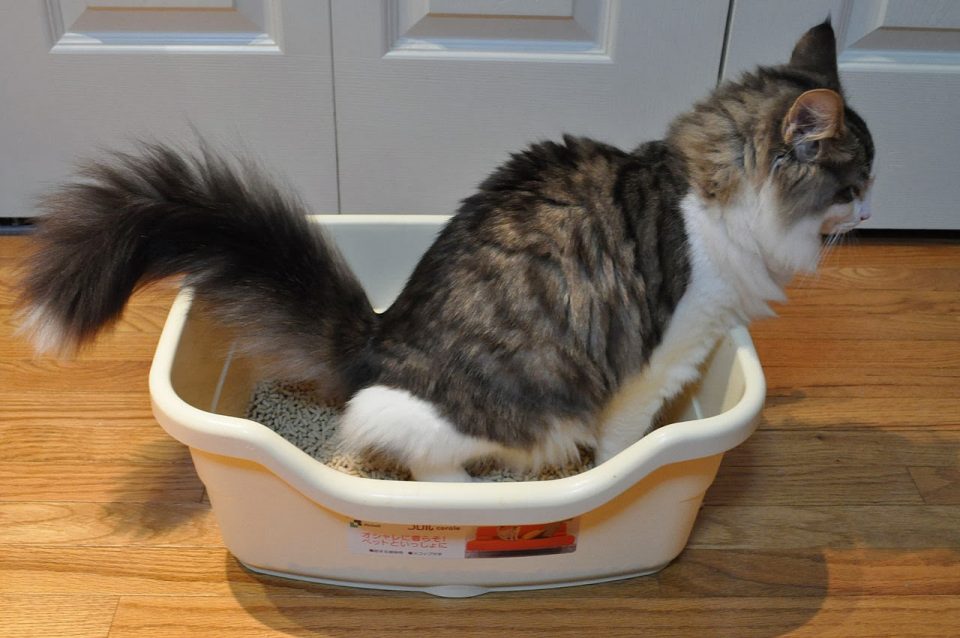
    If you see your neutered male cat jumping in and out of the litter tray and straining to pass urine it is an emergency. He could have a blockage in the urethra, the passage from the bladder to the penis. Please call us as soon as you notice he is having trouble urinating. If he is not treated the bladder will continue to enlarge and he will become toxic. Urine banks up behind the blockage damaging the bladder wall and endangering the kidneys. His system soon overloads and death is likely. We will quickly relieve the blockage with a urinary catheter and treat him with fluids and electrolytes to reverse the toxicity. To prevent another episode feed wet food only. We may prescribe a diet which lowers the urine pH if a lot of struvite crystals are found. However, the main cause of urinary blockages in male cats is a dry food diet so avoid dry food as much as possible especially in the first few months after a blockage. Obesity, inactivity and anxiety are often predisposing factors, also. Discuss a weight loss strategy or ways to reduce anxiety with us before you take your boy home.
    9 August 2018

    Thyroid troubles

    Is your old cat ravenous - but losing weight no matter what you feed him? Often this is the first sign of an overactive thyroid gland. Many hyperthyroid cats are also more tetchy, demanding or restless than when they were younger. Observant carers might notice occasional vomiting or toileting outside the litter box. Some cats pant or don't look after their coats very well. Hyperthyroidism makes all body systems work harder including the heart, kidneys and bowels. While all these signs individually might be put down to old age any one or more of them make our vets very suspicious of a thyroid nodule producing too much thyroxine - hyperthyroidism. Too much thyroxine accelerates aging and puts a strain on all the body's organs. A capsule of Radioactive Iodine (RAI) in an otherwise healthy cat cures hyperthyroidism. To check if your cat is a candidate for RAI blood and urine is collected to confirm hyperthyroidism and check kidneys, liver and other organs. If your cat has other problems like kidney disease then daily medication as a tablet or transdermal gel is easy and convenient.
    26 July 2018

    Lumps and bumps

    Lumps under cats' skin can appear overnight or over a long period. Abscesses from cat fights are soft and the skin is often inflamed. Once lanced and drained of pus most cat abscesses heal rapidly. More worrisome are lumps that grow over a period of weeks or months or that are firm. Never ignore these types of bumps in a cat's skin. Malignant skin tumours are more prevalent in cats than in dogs or other species. We should address them as quickly as possible to prevent local spread and invasion of the body. Point out any unusual swelling or lump to your vet. A simple check of cells under the microscope will give us some idea of what it is. We may recommend biopsy or removal and send the lump to the pathology lab as a result. The pathologist will tell us what the lump is, how benign or malignant it is and whether the surgeon has removed all of it. Often we will also find out if it is in the lymphatic system or nearby blood vessels. Squamous cell carcinomas (skin cancer) are the most common skin tumour in the cat. They present more as ulceration of pale ears and noses than as lumps. Excision or freezing of the affected part or skin, and avoidance of the sun treats many of these cancers. Sarcomas break all the rules however. While they remain encapsulated under the skin and rarely invade other organs, they frequently grow so large that they impede the cat's mobility and make life very uncomfortable. Also removing all of a sarcoma is no guarantee that it won't grow back.
    14 June 2018

    Your kitten’s first vet visit

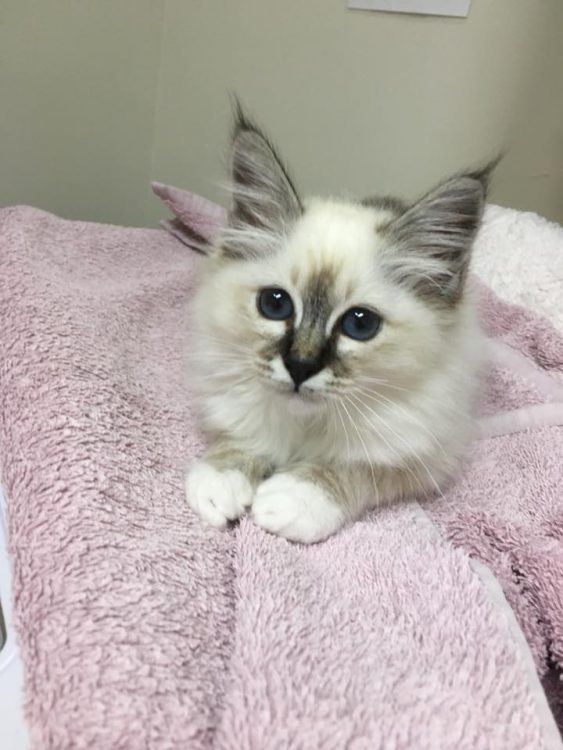
    Your kitten's first visit to the vet is a big occasion for your kitten and for you. Make sure the carrier is a familiar and secure place for the kitten by leaving it out in the kitten's space for a week or so beforehand. Put some treats in there and let the kitten play around and in it. Line it with a fluffy towel so that if the kitten toilets on the journey in she isn't sitting in it. In the waiting room place the carrier on the table or the reception desk and cover it with one of our Feliway-soaked blankets. In the consulting room your vet will leave the carrier door ajar while the kitten gets used to the sounds of the clinic and the voices around her. The vet will discuss diet with you and make some suggestions on the variety of foods you might like to try. Avoiding obesity is a perennial problem especially in cats kept indoors so you will also find out how to check your kitten's waist line. If you have had any trouble with diarrhoea or vomiting then discuss it with your vet. Often diet or changes of diet cause tummy upsets in kittens. Your vet will design a vaccination programme for your kitten depending on age, whether indoor or outdoor, and if boarding or grooming are likely in the future. The risk of worms, fleas and other parasites will also be assessed and your kitten treated as necessary. We also like to discuss any behaviour problems particularly around the litter tray, or with other pets, cats or dogs, at this visit. Inappropriate play behaviour or aggression issues can be addressed also. Your vet will discuss the best time to desex your kitten and to microchip her if this hasn't already been done. Often this is around the time of the final vaccination. If your kitten has already been desexed we will schedule an adolescent check at about 8 months of age to discuss weight, diet, behaviour and any other concerns you might have as she matures. Any vaccination follows a discussion of your kitten's general health and environment, as well as a full physical examination. We are as gentle and calm as possible so that we make this first visit pleasant and relaxed. Your kitten's attitude to vet visits depends on a good first impression!