Visiting Us?

Here are some great tips we advise to prepare yourself and your kitty cat for their visit with us.

  • Acclimate your pet to the carrier. Approach this by bringing the carrier into the home a couple of weeks prior or permanently, leaving the door open or the lid removed. Offer bedding, play, encouragement, and treats to create positive interactions and a good overall experience.
  • Use of synthetic feline pheromones like 'Feliway', in the household and carrier a day before or day of the veterinary visit should provide a calming effect.
  • Keep the carrier warm, covered by a towel or blanket, and quiet in the vehicle. Reduce stress from loud noises, bright lights, strange smells, and rapid changes in environment.
  • The bottom of the carrier should have a blanket or towel for cushioning, as well as a pee pad, absorbable material, or raised carrier grate to reduce the chance of soilage.
  • Whether your kitty is transported by a car or another mode of transport, it is important to keep driving steady and even, take shorter routes. The temperature inside the car should reflect the cat's needs. Strong smells should be avoided along with loud noises, i.e radios or music unless cat-specific.
  • One of our vets may recommend calmative or sedative medications for your cat to reduce stress. Our team will provide information regarding the use of medications prior to a visit.

"Cats are a predatory and prey species with unique resource and territory needs that are easily disrupted by events such as veterinary visits. Disruptions increase protective emotions in the cat, leading to negative behavioral outcomes during the visit."

"Stressor stacking describes the cumulative stress resulting from numerous disruptions to the cat’s routine and territory in preparation for the veterinary visit. These cumulative changes increase fear-anxiety and frustration, predisposing to negative behavioral outcomes during the veterinary visit. Adapted from International Cat Care." Kelly St. Denis, MSc, DVM, DABVP (Feline Practice), 'From the Cat’s Point of View: Creating a Cat-Friendly Veterinary Environment' Issue: March/April 2024. https://todaysveterinarypractice.com/behavior/creating-a-cat-friendly-veterinary-environment/

Once in the clinic, our customer service team will greet you and usher you to our 'cat parking stations' which are up from the ground. We have Feliway spray and blanket covers at your convenience. 

senior

Senior Cats

Exactly what kind of preventive care does my old cat need?

Read More
kitten

Kittens

How do I look after my new kitten?

Read More
dental

Dental

How do I care for my cats teeth?

Read More

A tranquil haven for cats and their carers staffed by experienced cat loving professionals.


Dietary History

Please fill this form in if you have made an appointment for your cat to see us. If you are bringing more than one cat please fill out and submit a form for each of them. Thank you.


    OverweightIdeal weightUnderweight


    IndoorsOutdoorsIndoors & Outdoors


    Very activeModerately activeSleeps all day

    reCaptcha v2 in use. See Terms of Service and Privacy Policy here.

    reCAPTCHA V3

    5 August 2014

    Free dental check in Dental Health Month

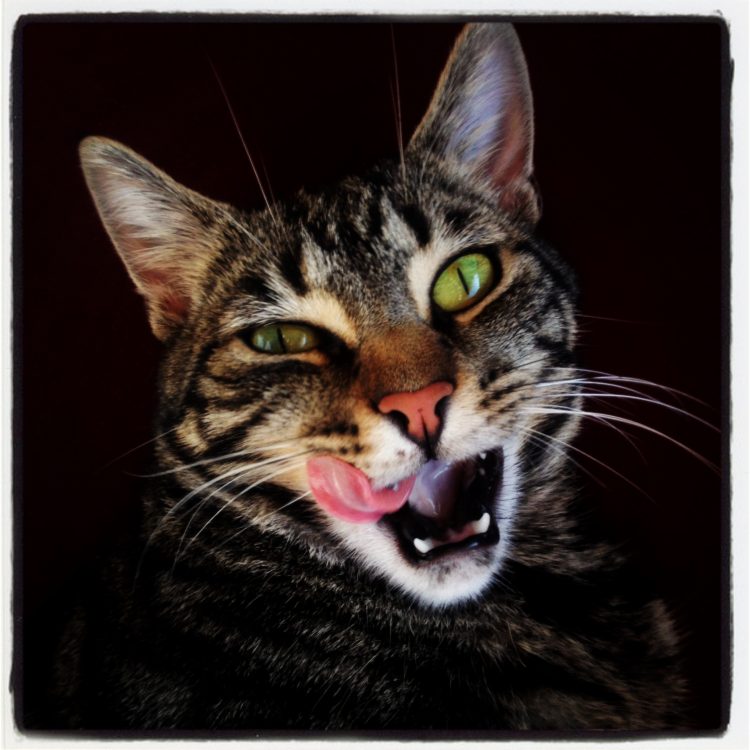
    August is dental health month at Canberra Cat Vet! Bring your pet in for a free dental check this month and learn how to keep your cat’s mouth and teeth clean and healthy. Dental health is essential to overall health in our cats. 4 out of 5 cats live with some level of dental disease, infection and pain but are very good at hiding it from us. Make sure your cat is happy, healthy and pain free. Phone 6251 1444 to make an appointment for a free dental check during August, Canberra Cat Vet's dental month. (Thanks Bungles for showing us your beautiful teeth!)
    5 August 2014

    Diabetes

    Cats with diabetes have high blood glucose levels. This is caused by a deficiency of insulin, which is secreted by the pancreas. Under the influence of insulin the body takes glucose up from the blood and uses it as an energy source. Diabetes mellitus is mostly seen in older cats and is more common in males than females. Obese cats and Burmese cats are more commonly affected. Diabetic cats produce more urine and, to compensate for this, drink more. This may not be obvious if the cat goes outdoors and has access to pools of water. Some cats urinate outside the tray after being litter trained for years. Indoor cats saturate the litter rapidly. Many cats lose weight despite an increase in appetite. A history of drinking and urinating more, a good appetite and weight loss suggests diabetes. Your vet will test for high blood glucose and the presence of glucose in the urine. Stress may also cause a transient rise in glucose levels in cats so your cat may be admitted to hospital for a day for a series of blood glucose tests to confirm the diagnosis. Untreated diabetes eventually causes loss of appetite and lethargy. Cats with diabetes mellitus are treated with insulin injections. Weight loss in obese cats can sometimes lead to remission of the diabetes. Stopping drugs such as prednisolone may also resolve the condition. Treatment for most cats involves a twice daily injection of insulin. They feel little pain because only a very fine needle is used. Usually insulin is given 12 hours apart at the same time as a meal. Unlike diabetic humans or dogs diabetic cats require a low carbohydrate diet, high protein diet. Specially formulated diets such as Hills m/d are low in carbohydrate and high in protein and ideal for diabetic cats. Many small meals or grazing are fine as long as the cat is not overweight.
    23 July 2014

    Dreading the vet visit???

    Bringing your cat to the vet can be a stressful experience for you, your cat, the vet and the nurse. Some cats yowl as soon as the car starts, others pee in the carrier every trip. An upset cat is difficult for your vet to examine and stress skews some blood tests. How do we make visits to the vet less stressful for all concerned? Leave the carrier out permanently in your home. Many cats will rest or hide in it or use it as a play thing, particularly if it has been about since they were kittens. Pop some treats in the carrier so that your cat associates it with a pleasant experience. Apply Feliway spray to bedding in the carrier regularly and just before transport. Feliway contains a natural pheromone that relaxes cats. Lining the carrier with a favourite person's clothing may also calm your cat. Withhold food before travel to prevent travel sickness and consequent negative feelings about car rides. Short practice rides followed by a good experience such as a favourite food help some cats to relax in the car. Cover the carrier with a towel or blanket, or place one over the cat in the carrier so that she can hide if she needs to. In the waiting room place the carrier up off the ground on a seat or bench and well away from other cats. If your cat is wide-eyed, trembling, or huddled at the back of the carrier ask the receptionist to put her in a spare quiet room. Because cats hide illness and pain so well they need regular, scheduled visits to the vet to ferret out problems like arthritis, thyroid and kidney disease and liver and heart decline. Annual visits are adequate for cats less than 8 years old. Older cats need checks more often, especially if any problems have been identified. Unfortunately, cats often don’t show us they’re sick until it’s almost too late. Reducing the stress of vet visits means more frequent checkups and a longer, healthier, and more comfortable life for your feline friend.
    21 July 2014

    Constipation – a bit of a strain

    Signs of constipation in the cat are usually easy to spot, and include: straining and difficult passing faeces pain passing faeces production of small, hard pellets of faeces decreased frequency of defecation Sometimes it's difficult to decide if a cat is straining to urinate or defecate. If you are in any doubt please phone us. Difficulty urinating is life-threatening. Causes of constipation: Cats can be reluctant to defecate if the litter tray is dirty or they don’t like the type of litter. If cats have a bad experience using the tray, especially with rival cats, or if the tray is in a noisy or busy place they will hold on and become constipated. Arthritis that makes getting in and out of the litter tray or adopting a position to defecate painful, may lead to constipation. Dehydration or inadequate fluid consumption, especially in older cats with kidney disease, causes constipation. Management of cats with constipation: Maintaining good hydration – a good fluid intake by feeding wet (tins, sachets) rather than dry food may help, and encouraging the cat to drink as much as possible. Many cats like water fountains like the Drinkwell fountain. Litter tray management – remove faeces daily and replace litter at least once weekly. Make sure the tray is in a private place, is at least 1.5 times the length of your cat, and is easy to get in and out of. Trays with a cut down side are easier for arthritic cats. You should have a litter tray for each cat in the household plus one. Dietary management – feed a diet with a high moisture content. Add a pinch of psyllium to the food to aid the regular passage of softer faeces. Enemas – hospitalisation and an enema are necessary in long standing cases Laxative drugs – lactulose keeps many cats who suffer chronic constipation regular
    16 July 2014

    Scratching – is it a problem?

    Why do cats scratch surfaces? To express excitement and pleasure To leave visual and aromatic messages to other cats To remove the worn-out sheaths from their claws To stretch their muscles and spine In other words it's our problem not theirs when they scratch the new sofa or the silk curtains! If your cat is scratching in the ‘wrong’ place eg the new sofa you will have to simultaneously discourage her from scratching the sofa while encouraging her to scratch an appropriate object eg a scratching post. Apply double sided tape, a car mat with nubby side up or rubber carpet runner to the sofa. Purchase a sturdy vertical post scratcher, which is tall enough for her to stand on her back legs and reach up for a really good stretch ie at least a metre. If she doesn’t take to the material on the post try covering it with alternatives like sisal, corrugated cardboard, the backs of carpet squares, carpet offcuts. If your cat is scratching the carpet she may prefer a horizontal scratching surface. Provide an old piece of carpet or cardboard. Encourage your cat to use the new scratching surface by enticing her there with catnip, treats or toys and immediately rewarding scratching in the right place with a treat.
    11 July 2014

    Beware of PET meats

    Many pet meats and pet food rolls contain sulphite preservatives that cause thiamine deficiency and haemorrhage into the brainstem. Recently some Sydney cats who have just been fed pet mince have suffered from thiamine deficiency. Even low levels may cause skin rashes and gut upsets but continued high levels cause depression, head tilts, wobbles, twitching, weakness, fits and death. There is no legal requirement for ingredient labeling of pet meats in Australia and some labelled 'no preservatives' have tested positively to sulphite tests. We advise you feed your cat human grade meat, good quality kibble and canned and sacheted foods.
    8 July 2014

    New weight loss diet!

    Hill's® Prescription Diet® Feline Metabolic Advanced Weight Solution - now available at Canberra Cat Vet Obesity is the most common health problem we see at Canberra Cat Vet. Just like the human epidemic, almost 50% of the pet population is overweight. Even a little extra weight can lead to serious health problems such as diabetes, arthritis, liver disease, and heart disease. The pet's quality of life and relationship with family is also impacted because that extra weight can reduce play time, impact mobility and affect the lifelong general health of your cat. Hill's Prescription Diet Metabolic Advanced Weight Solution is a new weight loss and maintenance nutrition clinically proven to naturally work with each cat's unique metabolic response to support healthy weight loss and maintenance. This breakthrough nutrition is clinically proven to safely provide 29% body fat loss in only 2 months because it works to control hunger, helping to keep cats feeling full and satisfied between meals. This nutrition can also be fed in multi-cat households. Nutritionists and veterinarians at Hill's developed this next generation formula with the pet owner in mind, offering a complete portfolio of dry food, canned food, and treats. These products work together to ensure safe and healthy weight loss and easy weight maintenance without making big changes or depriving your pet. Because the formula works with each pet's unique metabolism, it also reduces the need for you to precisely measure the food to safely achieve weight loss success. In real-world testing with pet owners and their pets at home, 88% of pets lost weight over two months. 74% of cat owners confirmed they would recommend Metabolic to their friends with overweight cats. Key Benefits Hill's® Prescription Diet® Feline Metabolic Advanced Weight Solution is formulated with the following benefits: Clinically proven to safely and naturally improve metabolism in cats Clinically proven to safely provide 29% body fat loss in 2 months in cats Clinically proven to avoid weight regain following a weight loss program A complete portfolio of dry food, canned food, and treats designed to work together to ensure safe and healthy weight loss and easy weight maintenance Advanced weight management nutrition for multi-cat households Great taste and highly palatable backed by a 100% refund guarantee
    4 July 2014

    Activyl – a new spot flea control

    Fleas can quickly become a significant problem for cats, dogs and the rest of the family. Cats can pick up fleas anywhere - the bush, your own backyard, even your own house if a flea?infested animal was there before. That’s because the adult fleas on untreated animals lay eggs that fall into the environment. Each female flea can produce 40 to 50 eggs a day – that’s up to 2,000 in her lifetime. These eggs develop into larvae and pupae in the environment. Inside these pupae are ready-to-hatch fleas which can remain dormant for weeks to months in their cocoons. When conditions are right— enough heat, carbon dioxide and animal activity — the fleas hatch as young, hungry adult fleas, ready to infest your pet. When we turn our heaters on we provide the optimum environment for fleas to hatch into. Since only adult fleas are visible on the pet, by the time they are noticed there may already be a large infestation in the home environment. This is why regular monthly flea control is so important. Fleas can also lead to health problems for your pets. Some pets develop severe allergies to flea bites (called flea allergy dermatitis) and may continue scratching their skin long after the fleas have gone. Fleas are also responsible for transmitting the dog tapeworm (Dipylidium caninum) to dogs, cats and even humans. Fleas can spread bacterial diseases, too. Choosing a flea control treatment that not only kills adult fleas but also breaks the flea cycle is important to get an existing flea infestation under control and to prevent a new one establishing. Activyl® is a new spot-on product that kills fleas before they bite and controls the egg and larvae in your carpets, lounges, beds and cushions. Activyl® is also the first flea control product that works through bioactivation If you were a dog or cat, you'd want a treatment that was effective at killing fleas, yet gentle*. Activyl®, a new spot-on flea treatment, works in a different way to conventional flea products. It works through bioactivation which means it only becomes fully active once inside the flea, to deliver full flea-killing power. It is applied to a small area of a pet’s skin and spreads throughout the lipid layer. Activyl® breaks the flea life cycle and prevents re-infestation Apply Activyl® monthly to break the flea life cycle. This: - Ensures that the fleas that jump onto your pet soon stop feeding, are paralysed and die - Kills eggs and larvae in the environment and prevents reinfestation - Helps in the management of pets that develop itchy skin (flea allergy dermatitis or FAD) due to flea bites Activyl® kills fleas fast Activyl® starts working within 8 hours and keeps working throughout the month. Activyl® is conveniently available in single and six dose packs
    27 June 2014
    old grumpy cat

    Help! My cat is urinating indoors

    Marking or toileting? Spraying small amounts of urine against vertical objects such as chairs or walls is a territorial marking behaviour. Entire male cats are the most likely to spray. Male and female cats urinate in a squatting position leaving a greater volume of liquid. Medical problems such as cystitis, diabetes, kidney disease and obesity exacerbate abnormal toileting behaviour. Why do cats spray or mark? Anxiety and stress are the most common causes of spraying. Cats are creatures of habit and like to have their own space and toys. Even though they are willing to share a house and bed with you they need places and things of their own to be happy. If they think that something that belongs to them is being taken over by someone else they feel threatened. They have to let everyone know that it is theirs. The natural way to stake their claim is to mark it with the facial scent glands or urine. This is like writing their name on their things. Putting urine or facial scent on a thing or place makes a cat feel secure, especially if they feel out of place, nervous or afraid. What makes cats anxious? • A new cat or kitten. Introduce a new pet into the household gradually. Let them get used to each other through a screen or glass door. Exchange their bedding and let them sniff and sleep on it. Remember to reassure and cuddle the established pet as well as the cute new one. • A new baby. Let your cat hear the sounds and sniff the clothes of a new family member from a safe, private place. Give the cat lots of attention. • Changes in furniture or carpets and disruptions such as building or painting. Lock your cat in a room well away from tradesmen and the strange sounds and smells associated with their work. • A strange cat wandering in the garden or even through the cat flap. • The loss of a human or animal companion. Strongly bonded cats will need extra care and attention if mourning a friend who has moved or passed away. • Incompatible cats, especially if a lot of cats live together. Determine which cats do not get along and keep them in separate parts of the home with their own litter and sleeping areas. • Stress. Enriching a cat’s environment minimises stress Cat scratching posts, toys that mimic prey, tunnels, outside runs and a variety of high spots and hideouts will keep your cat happy and stimulated. Vertical space is often more important than horizontal space. Some cats appreciate an indoor garden sown with grass, cat nip and cat mint. Find several toys they like and rotate them regularly. Your company is important. Even an old cat will appreciate a game with a ribbon on a stick or a glittery ball. Make your cat work for food by hiding it in various locations around the house or in food puzzles such as plastic containers with holes cut in the sides. Routine is important for some cats. Ten minutes each day play and grooming your cat to provide regular predictable attention that helps reduce their anxiety. Feed them at a set time. What if I can’t identify or remove the source of the anxiety? If you cannot identify or remove the source of the anxiety then provide your cat with a safe haven. A room where your cat can safely retreat or relax without fear of disturbance is ideal. A small, enclosed and elevated space lined with your worn clothes is also good. Most cats will mark a limited space with facial rubbing and bunting only. Clean urine marked areas with a special enzymatic cleaner like Urine Off, available at Canberra Cat Vet, that eliminates the scent. If your cat can smell urine he will mark it again. You may have to lock him out of the room for a while to help him forget it. Protect a habitual spraying site by placing dry food or a bed at the base. Cats are usually reluctant to spray their own key resources. Food and beds are also reassuring and may reduce anxiety. However, a stressed cat may move to other areas and mark there instead. A natural pheromone spray called Feliway calms some cats and reduces the urge to spray and mark. Spray it on previously marked areas or plug a Feliway diffuser in or near the area he most marks. You might find useful more hints on The Litterbox Guru Never punish cats. If caught in the act they can be picked up and placed on the litter tray, stroked and calmed. Never ‘rub the cat’s nose in it’ as this will make a nervous cat even more likely to toilet indoors. Cats with anxiety related behaviours like spraying often need evaluation for anti-anxiety medications in addition to the above changes to resolve the problem. Call us on 6251 1444 for a behaviour consultation if you cannot sort it out.