Visiting Us?

Here are some great tips we advise to prepare yourself and your kitty cat for their visit with us.

  • Acclimate your pet to the carrier. Approach this by bringing the carrier into the home a couple of weeks prior or permanently, leaving the door open or the lid removed. Offer bedding, play, encouragement, and treats to create positive interactions and a good overall experience.
  • Use of synthetic feline pheromones like 'Feliway', in the household and carrier a day before or day of the veterinary visit should provide a calming effect.
  • Keep the carrier warm, covered by a towel or blanket, and quiet in the vehicle. Reduce stress from loud noises, bright lights, strange smells, and rapid changes in environment.
  • The bottom of the carrier should have a blanket or towel for cushioning, as well as a pee pad, absorbable material, or raised carrier grate to reduce the chance of soilage.
  • Whether your kitty is transported by a car or another mode of transport, it is important to keep driving steady and even, take shorter routes. The temperature inside the car should reflect the cat's needs. Strong smells should be avoided along with loud noises, i.e radios or music unless cat-specific.
  • One of our vets may recommend calmative or sedative medications for your cat to reduce stress. Our team will provide information regarding the use of medications prior to a visit.

"Cats are a predatory and prey species with unique resource and territory needs that are easily disrupted by events such as veterinary visits. Disruptions increase protective emotions in the cat, leading to negative behavioral outcomes during the visit."

"Stressor stacking describes the cumulative stress resulting from numerous disruptions to the cat’s routine and territory in preparation for the veterinary visit. These cumulative changes increase fear-anxiety and frustration, predisposing to negative behavioral outcomes during the veterinary visit. Adapted from International Cat Care." Kelly St. Denis, MSc, DVM, DABVP (Feline Practice), 'From the Cat’s Point of View: Creating a Cat-Friendly Veterinary Environment' Issue: March/April 2024. https://todaysveterinarypractice.com/behavior/creating-a-cat-friendly-veterinary-environment/

Once in the clinic, our customer service team will greet you and usher you to our 'cat parking stations' which are up from the ground. We have Feliway spray and blanket covers at your convenience. 

senior

Senior Cats

Exactly what kind of preventive care does my old cat need?

Read More
kitten

Kittens

How do I look after my new kitten?

Read More
dental

Dental

How do I care for my cats teeth?

Read More

A tranquil haven for cats and their carers staffed by experienced cat loving professionals.


Dietary History

Please fill this form in if you have made an appointment for your cat to see us. If you are bringing more than one cat please fill out and submit a form for each of them. Thank you.


    OverweightIdeal weightUnderweight


    IndoorsOutdoorsIndoors & Outdoors


    Very activeModerately activeSleeps all day

    reCaptcha v2 in use. See Terms of Service and Privacy Policy here.

    reCAPTCHA V3

    10 August 2016

    Stiff and sore?

    Sixteen year old Harry is having trouble jumping up on the table this winter. He circles it quite a few times before making the leap. His family also noticed that he is sleeping a lot more this winter and is reluctant to move when he first wakes up. Cats don't usually limp unless their arthritis is severe. Their elbows, knees and backs are the most common sites for arthritis. Harry's older brother Cino hesitates to jump down off the bed. He has also been toileting around the litter box instead of in it lately. His elbows were thickened and painful when he came to visit last week and Dr Kate found that his lower back was acutely painful. Harry's knees were his problem. We've found a litter box with lower sides for Cino and have put a footrest near Harry's favourite perch to make access easier. Both Harry and Cino are trialing some arthritis meds and fish oil. Already their family has noticed that they are more mobile and interested in cuddles and household doings.
    3 August 2016

    Peeing blood

    Finding blood in the litter tray or, worse still, on the carpet is guaranteed to trigger concern. A cat running back to the litter tray every 5 minutes and sitting with a concentrated look on the face is also a major worry. In a young male or desexed male it is an emergency as he may have a blocked or semi-blocked urethra and be unable to pass urine. The bladder rapidly fills and the cat can become toxic in a matter of hours. The main cause of blood in the urine is stress and the resulting pain from an inflamed bladder. Stress or anxiety cause the inflammation which is painful, causing more stress... and the vicious circle goes on. Common causes of stress are moving house, new people or pets in the household, tradies or visitors in the house, conflict between household cats, or any change in routine. In older cats, especially those with kidney disease, diabetes, or hyperthyroidism, a urinary tract infection is more likely. Occasionally bladder stones cause blood in the urine. After a chat with you and a physical examination of your cat, your vet will take a urine sample to sort out what is the most likely cause of the problem.
    28 July 2016

    Sniffles and snuffles

    Half of Canberra's human population is down with the flu this winter - and so are the cats. While the viruses that affect cats' respiratory systems are quite different to the ones that affect humans the signs are similar: runny eyes and noses, sneezing, snuffling and snorting. Some cats suffer from mouth ulcers, too, but coughs and chest infections are mercifully rare. Cat flu is spread by aerosol or nose to nose contact so outdoor cats or cats who run in outdoor enclosures are the most likely to be infected. While the cat flu vaccination doesn't always prevent illness, it reduces the severity of the signs and shortens the duration of the illness. Annual vaccination is strongly recommended as immunity wanes within a year. Some cats, especially kittens or insufficiently vaccinated adults, suffer secondary bacterial, mycoplasma or chlamydial infections. If your sneezing cat refuses dinner or has pus in the eyes or nose then antibiotics are indicated. At home you can offer strong smelling foods, keep the air moist with a vaporiser or pop your cat in a steamy bathroom. Wiping secretions away from the nose and eyes with a moist cotton ball will make your cat feel more comfortable.
    4 March 2016

    Cortisone

    Cortisone is prescribed for many feline maladies, including allergies, asthma and inflammatory bowel disease. Sometimes we may give a short acting injection if your cat is difficult to medicate. We rarely give a long-acting injection because of the risk of side effects. Tablets called Prednisolone or Niralone contain short acting cortisone and are our preferred way of giving cortisone because we can withdraw them rapidly if there are side effects. Although we start giving prednisolone (also called pred) tablets once or twice daily we soon reduce the dose to every other day to avoid long term side effects. Most people find that their cat accepts the tablet crushed into the food After 5 days of pred tabs every day the adrenal glands start to slow their production of natural cortisol. It is safe to stop after 5 days of daily tablets but if a longer course is needed follow our instructions carefully. Usually we recommend every other day tablets so that the adrenal glands keep functioning. On a long course of pred it is important not to stop giving the tablets suddenly in case the adrenals have closed down. Your pet may not be able to step up the production of cortisol fast enough to cope with an emergency, like a dog attack, a new pet or illness, and may collapse. Side effects of cortisone may include: drinking more urinating more, a wetter litter than before increased appetite long term cortisone increases the risk of diabetes in cats Never give cortisone at the same time as anti-inflammatory medications like Meloxicam or Metacam.
    4 March 2016
    cat scratching his chin

    Flea allergy

    Fleas are still active in the Canberra region and giving some cats an irritating time. Some cats are allergic to the saliva of fleas. They scratch and lick out of all proportion to the number of fleas on them. They also lose and get discoloured hair and/ or little scabs and pimples on the head, back, neck, rump and legs. Normal cats are only mildly irritated by fleas. Just one flea bite in the flea allergic cat causes intense and long lasting itchiness. What is the proper treatment? We must eliminate all fleas on the cat and in the environment. Capstar or Comfortis kill the fleas and paralyse flea mouthparts preventing deposition of saliva. Every month treat your cat with Activyl, Revolution, or Comfortis to keep flea numbers as low as possible. Fleas spend most of their life cycle off the cat as larvae and pupae in bedding, carpet, dirt and leaves. Wash bedding in hot water and dry in the sun. Vacuum carpets and furniture often. Call a professional to fumigate your house. Cortisone products like prednisolone or Niralone block the allergic reaction and give relief from the intense itching.
    15 December 2015

    Holiday opening hours

    All of us at Canberra Cat Vet would like to wish you a very Merry Christmas! Here are are Opening hours over the holiday period in case you need us: Thursday 24 December 8.30am – 1pm Friday 25 December CLOSED Saturday 26 December CLOSED Sunday 27 December CLOSED Monday 28 December CLOSED Tuesday 29 December 8.30am – 5.30pm Wednesday 30 December 8.30am – 5.30pm Thursday 31 December 8.30am – 1pm Friday 1 January CLOSED Saturday 2 January 8.30am – 12pm Please phone 6251 1444 for an appointment For any problems or concerns when we are closed over the public holiday period please phone the Animal Emergency Centre in Fyshwick on: 62806344
    15 December 2015

    Behaviour changes in your old cat

    As they age, cats often suffer a decline in functioning, including their cognitive functioning. It’s estimated that cognitive decline-referred to as feline cognitive dysfunction, or FCD-affects more than 55% of cats aged 11 to 15 years and more than 80% of cats aged 16 to 20 years. Memory, ability to learn, awareness, and sight and hearing perception can all deteriorate in cats affected with FCD. This deterioration can cause disturbances in sleeping patterns, disorientation or reduced activity. A common sign of cognitive dysfunction is yowling at night or crying at odd times. FCD can make cats forget previously learned habits they once knew well, such as the location of the litter box or their food bowls. It can increase their anxiety and make them more clingy. It can also change their social relationships with you and with other pets in your home. Understanding the changes your cat is undergoing can help you compassionately and effectively deal with behaviour problems that may arise in her senior years. Some effects of aging aren’t related to cognitive dysfunction. Often these effects can contribute to behaviour changes that only look like cognitive decline. Be sure to report all changes you see to your cat’s veterinarian. Don’t assume that your cat is “just getting old” and nothing can be done to help her. Many changes in behavior are signs of treatable medical disorders, and there are a variety of therapies that can comfort your cat and ease her symptoms, including any pain she might be experiencing.
    2 October 2015

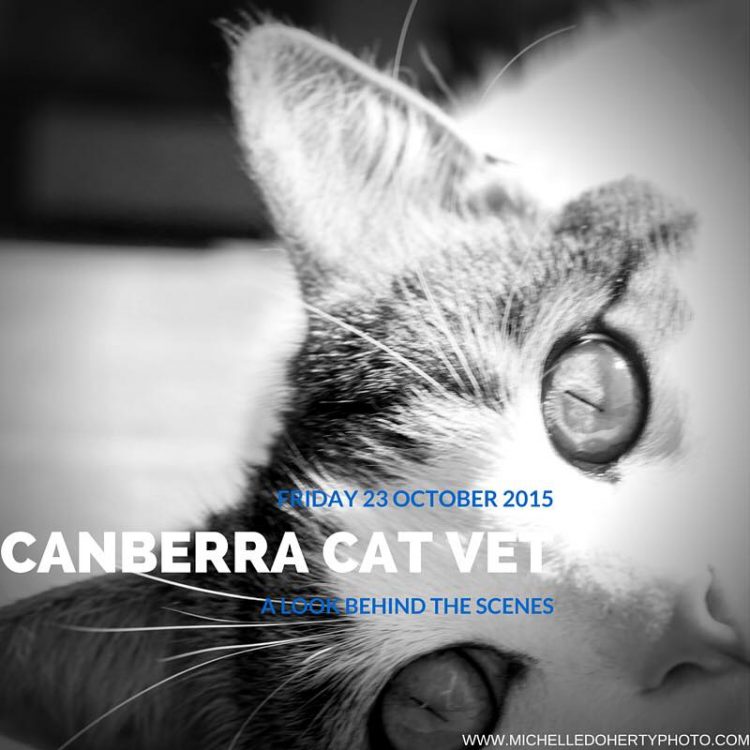
    Catoberfest at Canberra Cat Vet

    Your personal invitation to Catoberfest at Canberra Cat Vet after work at 5.30pm on Friday 23rd October. Look behind the scenes at a veterinary practice. Check out Canberra's premier pet ambulance and a cat enclosure mock-up. Win lucky door prizes. Lots of cat-specific toys and products for you to peruse and, of course, our vets and nurses are looking forward to chatting with you about your unique feline.
    1 October 2015

    Photo competition

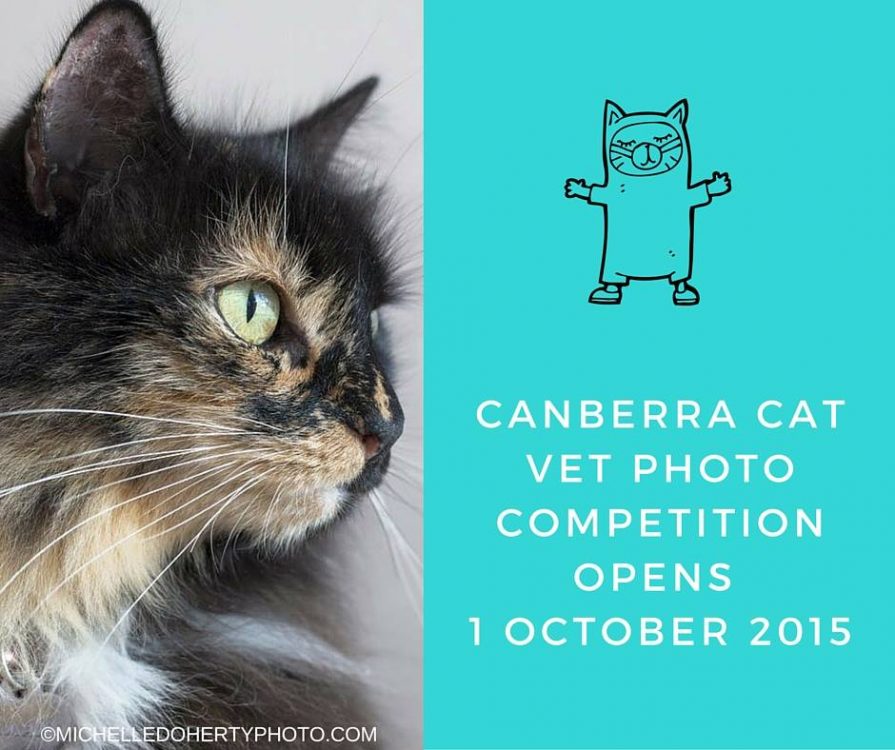
    Our Catoberfest Photo competition opens today! Bring in to Canberra Cat Vet a hard copy of the cutest photo of your cat with your name, phone number and your cat's name on the back. YOU must have taken the photo. Prizes include a photo shoot with a professional pet photographer, 2 nights accommodation at Miss U Motel, and a picnic basket. Entries close 20th October. Winner announced at Catoberfest on Friday 23rd October between 5.30 and 7.30pm